Getting Armored Machines from Factories to the Front
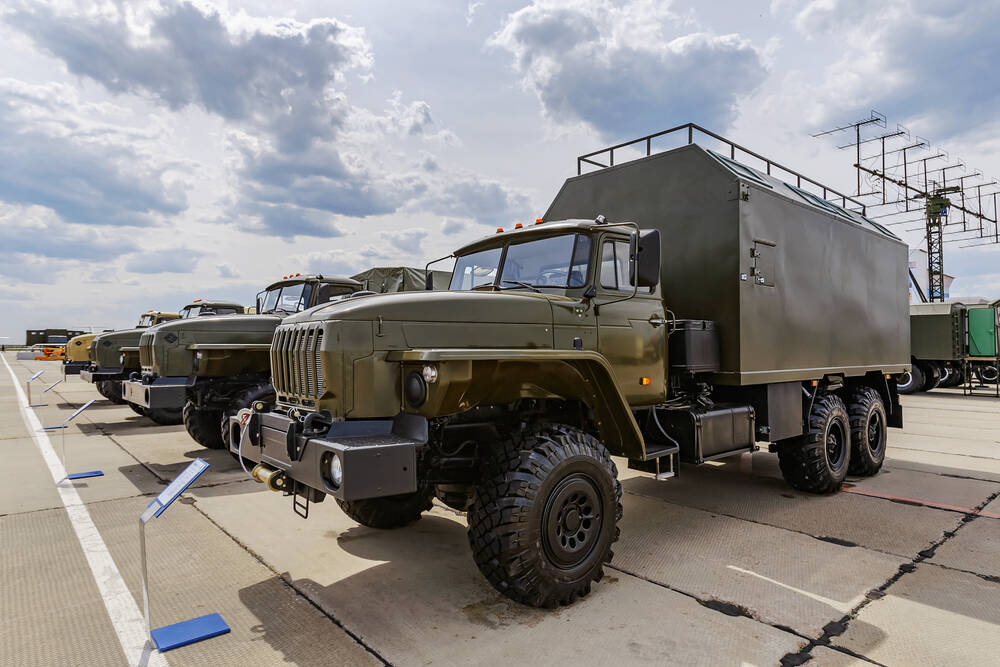
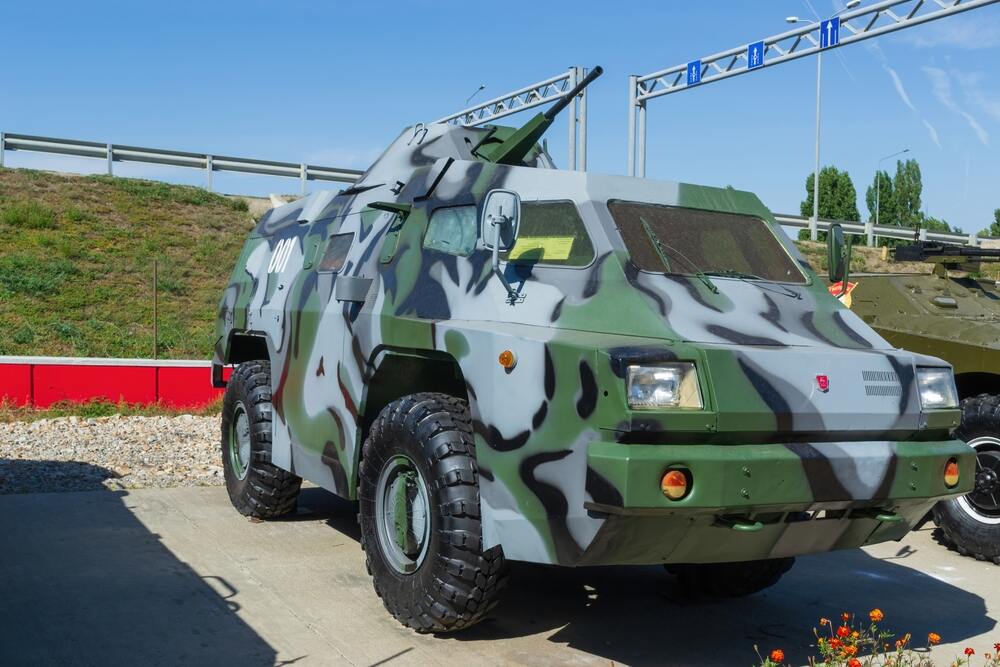
Military vehicle transport is a phrase that evokes massive convoys, roaring engines, and the heartbeat of modern combat forces. But behind every tank that rumbles into battle and every armored carrier that protects troops lies an unseen story of logistical precision and organizational discipline. Moving armored vehicles from the factory floor to the front line has always been one of the great challenges of mechanized warfare. It is a journey shaped by industrial capacity, transportation networks, human planning, and strategic foresight.
The Journey Begins: Industrial Production and Planning
Long before a tread mark touches mud or sand, armored vehicles begin their journey deep inside factories. The pace of industrial production determines how many vehicles are available and how quickly they can be put in motion. During the massive buildup of armored forces in twentieth‑century wars, factories did not operate in isolation. They formed the heart of an industrial pipeline that included suppliers, engineers, and planners working in concert. Each chassis, armor plate, and engine was produced with an eye toward eventual delivery to combat units thousands of miles away.
In major conflicts like the Second World War, the sheer scale of production transformed entire economies. Factories churned out tens of thousands of tanks and armored carriers, feeding a continuous stream of material into military depots. These vehicles were then inspected, outfitted, and readied for shipment. This first stage was as much about quality control as it was about quantity; a vehicle damaged in transit or rushed into battle without proper preparation could be as dangerous to its own crew as to an enemy.
The Art of Deployment: Moving Heavy Machines Across Land and Sea
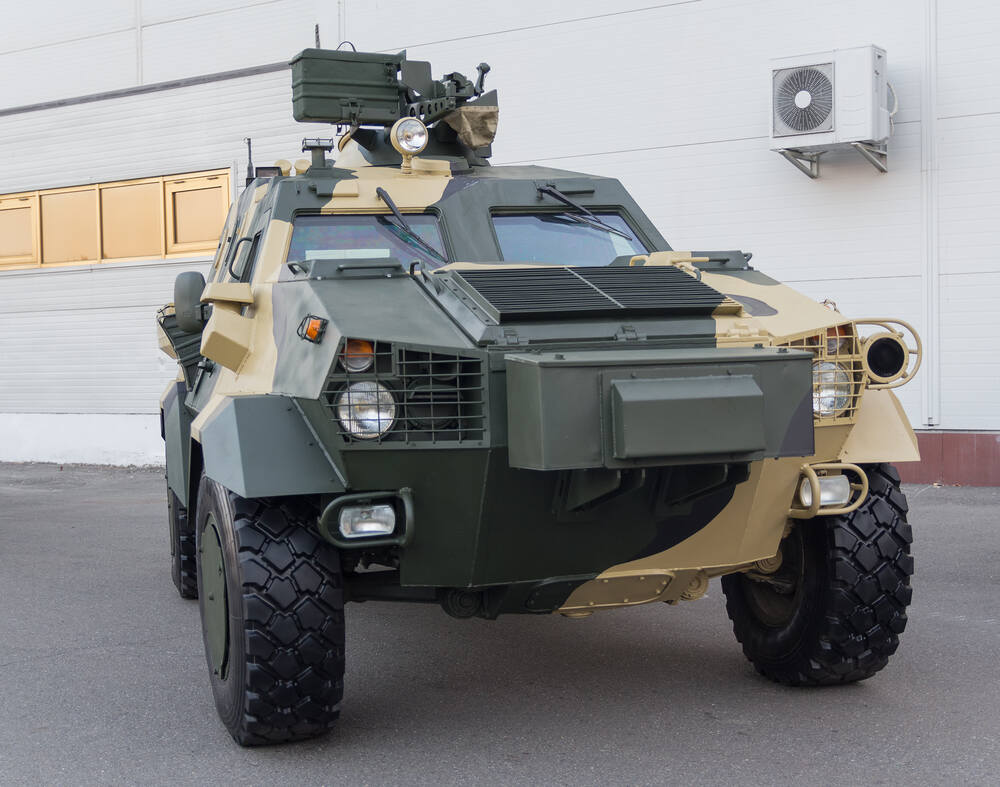
Once manufactured, armored vehicles entered a phase that was often more complex than their construction: deployment. Moving hundreds or thousands of tons of steel across oceans and continents presented logistical hurdles that commanders and planners had to overcome. In the Atlantic theater of the Second World War, entire fleets of transport ships carried armored forces from North American and European ports to staging areas hundreds of miles from the front. These movements were planned like clockwork, ensuring that units arrived together with ammunition, fuel, and support equipment ready to go.
Transporting heavy vehicles over land was equally demanding. Roads and railways often became lifelines; special flatbed rail cars and heavy‑duty transporters hauled tanks through varied terrain. In the modern era, the need for speed and reliability has only increased, leading to dedicated transport units equipped with powerful tractors and reinforced trailers designed specifically to bear the enormous weight of armored vehicles. Overcoming infrastructure limitations like weak bridges or narrow rail gauges required constant ingenuity, and logistical officers often found themselves improvising solutions on the fly.
Synchronization in Motion: Coordinating Timing and Staging
A crucial part of moving armored forces was not just getting them to a destination, but getting them there at the right time and place. Military planners developed elaborate systems of staging and scheduling to avoid bottlenecks that could leave whole divisions idle. This meant coordinating seaports, railheads, and road convoys to ensure that vehicles, crews, and supplies arrived in a synchronized wave rather than a disorganized trickle.
The Human Factor: People Behind the Machines
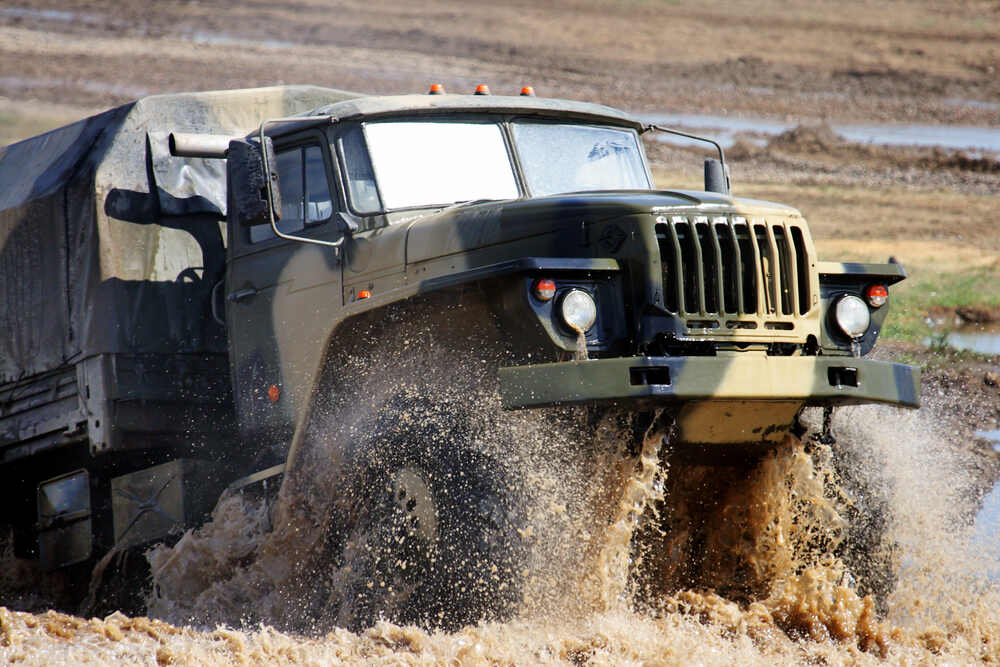
Behind every armored transport convoy and battlefield arrival stood a network of people whose expertise is easy to overlook. Logisticians, schedulers, mechanics, and enlisted support personnel formed the backbone of any mechanized force. Their work involved calculating fuel requirements, organizing rail schedules, maintaining transport vehicles, and ensuring that crews knew where to go and when.
Technology and Adaptation: Advances in Movement
As armored vehicles became heavier and more advanced, transport technology had to keep up. Early battlefields saw lighter armored cars and tanks capable of moving under their own power. But as weight increased, self‑movement became impractical for long distances. Specialized transporters, reinforced rail lines, and even air transport solutions were explored. Although airlifting heavy armor remains limited by aircraft capacity, the search for faster deployment methods reflects the ongoing evolution in military doctrine.
Logistics as Strategy
Ultimately, the ability to transport armored vehicles efficiently became a strategic advantage in its own right. Armored units often dominated the battlefield only when supported by reliable logistics that ensured they arrived where and when needed. Armies that mastered this complex interplay of production, transport, and deployment held a decisive edge, turning what could have been a logistical nightmare into a smooth, reliable flow of military assets.