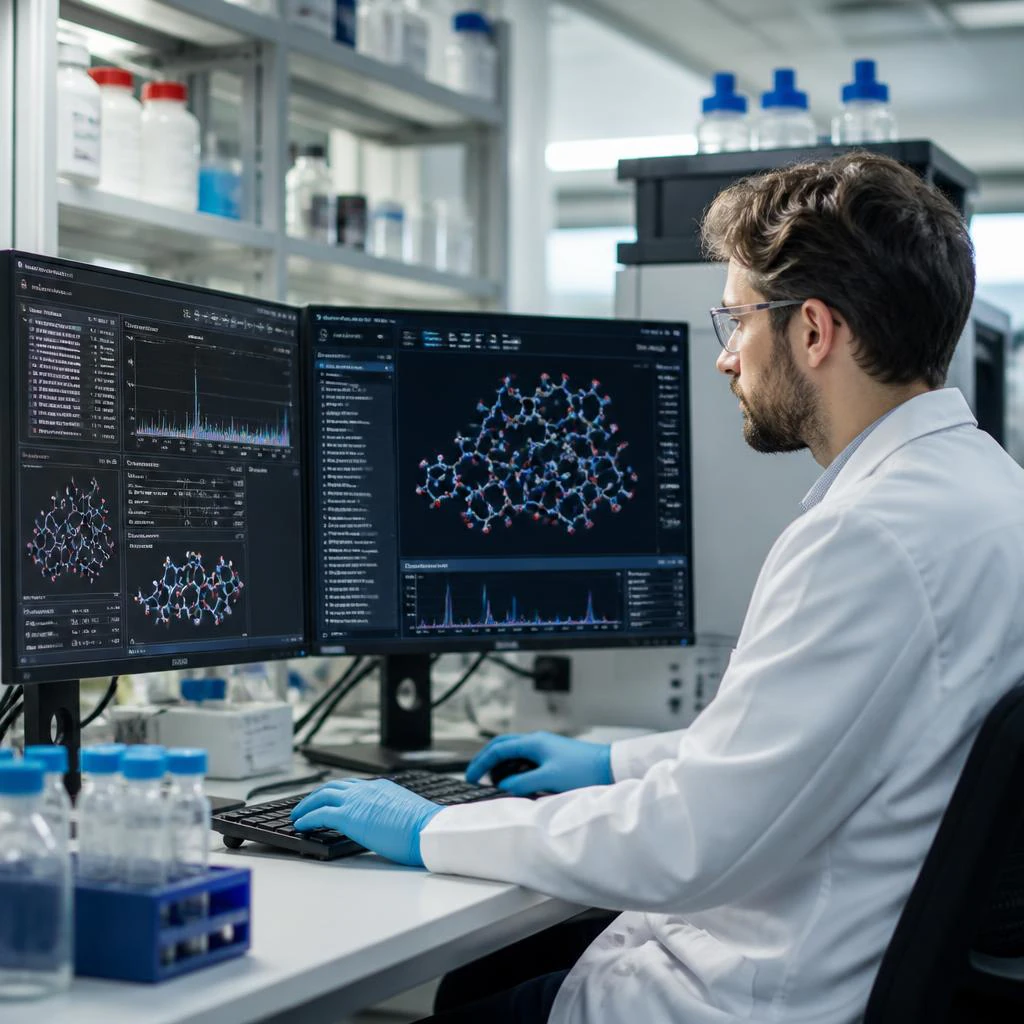
Tesamorelin Costa Rica Research Peptides Explained
Tesamorelin has become a well-known peptide within the scientific community because of its unique role as a synthetic growth hormone-releasing hormone (GHRH) analog. Researchers in Costa Rica continue to explore peptides for laboratory investigations involving metabolism, endocrine signaling, and related biological pathways. As interest in research-grade compounds grows, understanding the characteristics of Tesamorelin and selecting quality laboratory materials has become increasingly important.
What Is Tesamorelin?
Tesamorelin is a laboratory-produced peptide designed to mimic the activity of naturally occurring growth hormone-releasing hormone. Researchers looking for additional product information can find mas aqui while exploring available research resources. Rather than acting as growth hormone itself, it interacts with GHRH receptors to stimulate the body’s natural growth hormone signaling pathway. This mechanism has made it an important subject of scientific research focused on endocrine function and metabolic processes.
Researchers value Tesamorelin because it has been extensively studied compared to many other peptides. Its well-documented structure and biological activity provide a strong foundation for ongoing laboratory investigations while allowing scientists to better understand peptide signaling.
Why Researchers in Costa Rica Are Interested in Tesamorelin
Costa Rica continues to support a growing scientific community interested in peptide research. Universities, biotechnology professionals, and independent laboratories often require access to research compounds that meet high quality standards.
Tesamorelin is frequently included in peptide research because of its established scientific literature and clearly defined molecular properties. Researchers studying hormone regulation, cellular communication, and metabolic pathways often review published data involving this peptide to compare laboratory findings and expand current knowledge.
Its extensive documentation also makes Tesamorelin an excellent reference peptide for laboratories seeking consistent research materials.
Choosing High-Quality Research Peptides
When sourcing research peptides in Costa Rica, quality should always remain the highest priority. Professional laboratories typically evaluate suppliers based on several important factors, including:
- Product purity information
- Third-party analytical testing
- Certificates of Analysis (COAs)
- Proper packaging and storage guidance
- Transparent product documentation
These quality indicators help researchers understand exactly what they are working with while improving reproducibility across laboratory experiments.
Proper handling is equally important. Research peptides are sensitive biological molecules, making appropriate storage and preparation essential for maintaining stability during laboratory use.

Understanding Research Documentation
Scientific transparency plays a major role in peptide research. Reliable suppliers generally provide analytical reports describing purity, identity, and testing methods used during manufacturing.
Researchers often review documentation before selecting a peptide for laboratory projects. Complete records help laboratories maintain internal quality standards and ensure consistency between research batches.
For additional scientific information about peptide research and biomedical literature, researchers can explore the National Center for Biotechnology Information (NCBI) at https://www.ncbi.nlm.nih.gov.
Current Areas of Scientific Interest
Tesamorelin continues to appear in published research involving several scientific disciplines. Investigators have explored its role in studies related to:
- Growth hormone regulation
- Endocrine signaling
- Metabolic research
- Body composition analysis
- Cellular communication
- Hormonal pathway investigations
Although research continues to expand, laboratory findings should always be interpreted within their specific scientific context. Many ongoing studies seek to better understand how peptide signaling contributes to complex biological systems without extending conclusions beyond available evidence.
Why Documentation Matters for Researchers
Laboratory professionals understand that reproducible science depends on consistent materials. Selecting research peptides supported by detailed analytical documentation allows investigators to compare experimental results more effectively.
Certificates of Analysis provide valuable information regarding peptide identity and purity. Combined with proper laboratory protocols, these documents help support accurate recordkeeping and improve confidence in experimental materials.
Researchers also benefit from suppliers that clearly communicate storage recommendations, handling procedures, and available product specifications before purchase.
Finding Tesamorelin in Costa Rica
As peptide research continues to grow throughout Costa Rica, researchers increasingly look for suppliers that emphasize transparency, product quality, and educational resources rather than unsupported marketing claims.
A trustworthy research supplier should present clear technical information, maintain high manufacturing standards, and provide supporting documentation that assists laboratories throughout the research process. This approach allows scientists to focus on experimental design while maintaining confidence in the materials being used.
Final Thoughts
Tesamorelin remains one of the most recognized peptides within endocrine and metabolic research because of its well-characterized mechanism and extensive scientific literature. For researchers in Costa Rica, selecting quality research-grade peptides supported by comprehensive documentation is an important part of maintaining strong laboratory standards.
By prioritizing analytical transparency, verified quality information, and scientifically accurate educational resources, laboratories can make informed decisions when sourcing Tesamorelin for research applications. As peptide science continues to evolve, access to dependable research materials and accurate technical information will remain essential for supporting future discoveries.