Costa Rica’s Emerging Place in Peptide Science
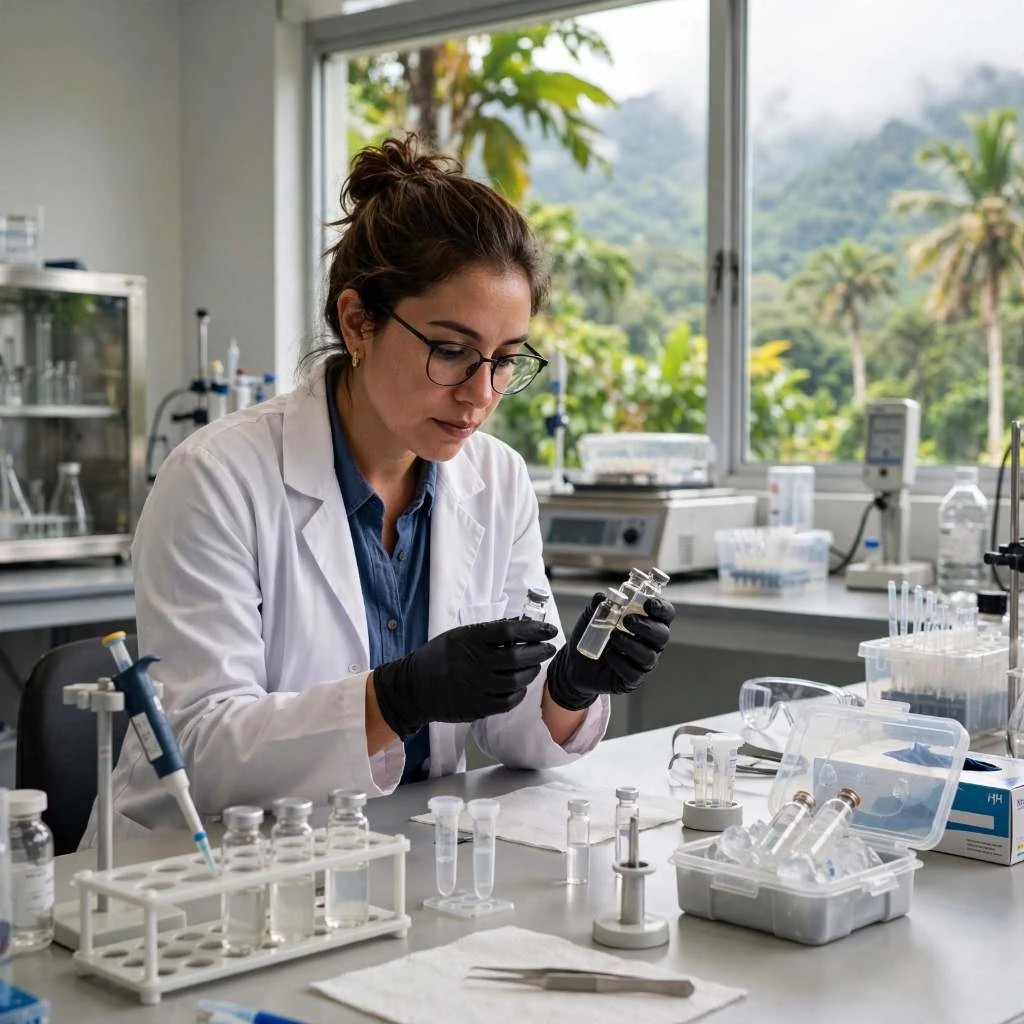
Costa Rica is developing a stronger presence in biotechnology, and peptide research is becoming part of that scientific momentum. Peptides are small biological molecules made from amino acids, yet their importance extends across areas such as cellular communication, metabolism, drug discovery, and molecular research. As laboratories and researchers explore new applications, interest in peptide science is creating opportunities for deeper investigation and collaboration. For readers exploring this evolving field, link offers a useful starting point for understanding why peptides are receiving greater attention within Costa Rica’s research community.
Small Molecules With Significant Scientific Potential
The scientific value of peptides comes partly from their ability to interact with biological targets with considerable specificity. Researchers can examine naturally occurring peptides or develop modified structures to investigate particular biological functions. This flexibility makes peptides useful in experimental research involving receptors, signaling pathways, enzymes, and other molecular processes. Their characteristics have also encouraged scientists to explore new approaches to therapeutic development, although every potential application requires appropriate laboratory and clinical evaluation before conclusions can be drawn.
From Laboratory Curiosity to Research Opportunity
The growing discussion around peptides in Costa Rica reflects a broader interest in advanced biomedical science. Modern laboratories increasingly combine disciplines that once operated separately, bringing together molecular biology, chemistry, pharmacology, and biotechnology. Peptide research fits naturally within this environment because studying these compounds can involve several scientific specialties at once. This interdisciplinary character gives researchers opportunities to investigate questions ranging from molecular structure to biological activity and possible future applications.
Precision Is Central to Peptide Investigation
Working with peptides requires careful attention to scientific details. Factors such as molecular sequence, purity, stability, storage conditions, and experimental design can influence laboratory observations. Reliable characterization is therefore an important part of meaningful research. Researchers need clear information about the materials they use and should maintain appropriate laboratory procedures throughout an investigation. These practices are particularly important when comparing experimental findings or attempting to reproduce results reported by another research group.
Learning From the International Research Record
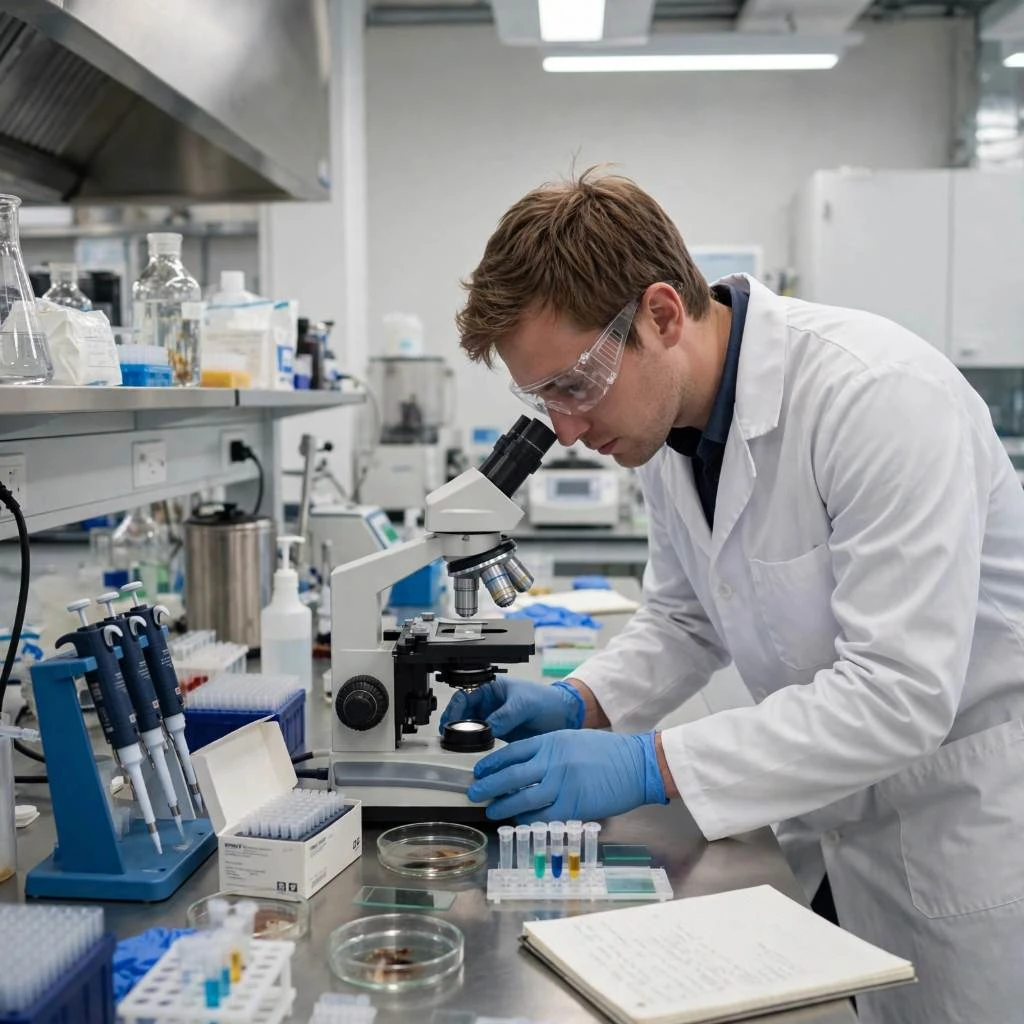
Costa Rican researchers do not have to work in isolation when exploring peptide science. International biomedical databases provide access to decades of scientific publications and molecular information. The National Center for Biotechnology Information (NCBI) is one important resource, offering researchers access to databases and published biomedical literature that can support evidence-based investigation. National Center for Biotechnology Information (NCBI) These resources can help scientists examine previous findings, compare research approaches, and identify areas where further study may be valuable.
New Peptide Candidates Attract Scientific Attention
The peptide field continues to produce research candidates designed to interact with more than one biological pathway. Retatrutide, for example, has become a subject of clinical investigation because of its activity at multiple metabolic hormone receptors. Its development illustrates how peptide-based research can move from molecular design toward increasingly advanced stages of scientific evaluation. At the same time, research compounds should be discussed carefully, since an investigational molecule is not automatically an approved medicine or established treatment.
Creating Conditions for Scientific Growth
A successful biotechnology ecosystem requires more than promising research subjects. Skilled scientists, modern laboratory facilities, educational programs, scientific publications, and responsible sourcing all contribute to long-term progress. Costa Rica can strengthen its research capabilities by encouraging connections among universities, laboratories, biotechnology organizations, and international scientific communities. Such collaboration can help researchers exchange knowledge and develop projects that address meaningful questions in biomedical science.
Evidence Should Lead the Conversation
Peptide research also demonstrates why scientific communication needs to remain grounded in evidence. Exciting laboratory findings can generate public interest, but preliminary observations should not be presented as proven medical outcomes. Researchers and readers alike benefit from distinguishing between laboratory studies, animal research, clinical trials, and regulatory approval. Maintaining this distinction helps protect public understanding while giving legitimate scientific discoveries the attention they deserve.
Where Peptide Science Could Go Next
The future of peptide research in Costa Rica will depend on continued scientific investment and a commitment to careful investigation. Advances in molecular design, analytical techniques, biotechnology, and biomedical research could create new questions for scientists to explore. With stronger research networks and access to reliable scientific information, Costa Rica can participate more actively in this international field. Peptide science may represent only one part of the country’s expanding biotechnology landscape, but it offers an intriguing example of how specialized research can contribute to broader scientific innovation.