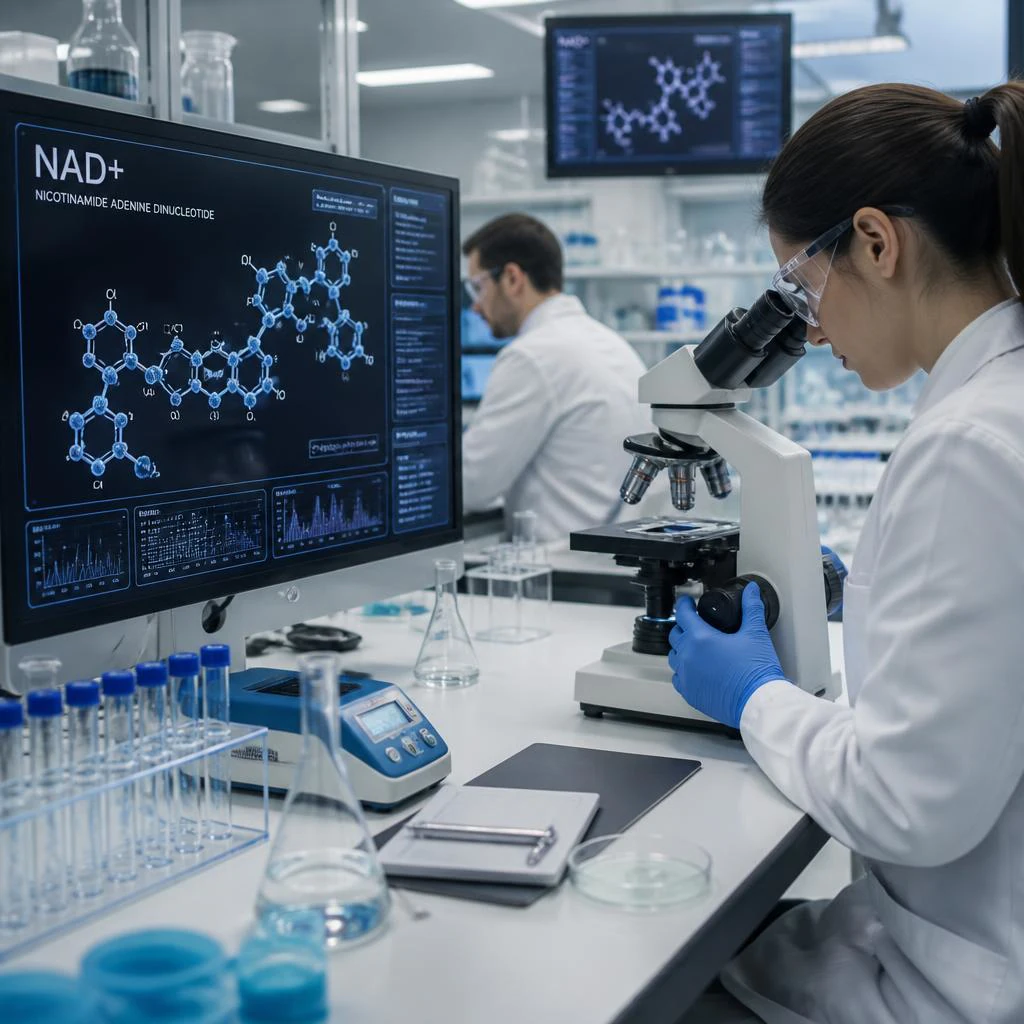
Joey Webster Explains Peptide Research Best Practices
Peptide science continues to evolve as researchers explore new compounds, delivery methods, and laboratory applications. Accurate sourcing, careful handling, and a solid understanding of research protocols remain essential for producing dependable findings. Joey Webster from Peptides Costa Rica regularly discusses developments that help researchers better understand peptide selection, storage practices, and emerging research directions. As interest in peptide studies grows, maintaining high standards throughout every stage of the research process becomes increasingly important.
Why Peptide Research Continues to Expand
Peptides have become an important focus in scientific research because of their ability to interact with biological systems in highly specific ways. Researchers are investigating peptides for studies related to cellular signaling, tissue repair mechanisms, metabolism, immune function, and many other biological processes.
Unlike larger proteins, peptides are generally easier to synthesize and modify for laboratory investigations. Their versatility allows scientists to examine numerous biochemical pathways while creating opportunities for developing new experimental models.
As analytical technologies improve, researchers can evaluate peptide purity, stability, and molecular characteristics with greater precision than ever before.
Choosing High-Quality Research Peptides
One of the most important aspects of peptide research is selecting materials that meet strict quality standards. Research-grade peptides should include detailed product information, batch consistency, and documentation that supports laboratory use.
Scientists often evaluate several factors before purchasing peptides, including:
- Purity levels
- Manufacturing standards
- Storage recommendations
- Available analytical testing
- Product consistency between batches
Reliable documentation helps laboratories maintain reproducible research while reducing unnecessary variables during experiments.
Proper Storage and Handling Practices
Even well-manufactured peptides require proper handling to maintain their integrity. Environmental conditions such as moisture, temperature, and repeated freeze-thaw cycles may affect peptide stability over time.
Researchers commonly follow established laboratory procedures that include:
- Storing peptides at recommended temperatures
- Using sterile laboratory equipment
- Minimizing contamination risks
- Preparing solutions according to research protocols
- Labeling samples accurately
Following these practices helps preserve sample quality throughout the duration of laboratory studies.

Understanding Peptide Characterization
Characterization plays an essential role in confirming peptide identity before research begins. Modern analytical techniques help verify molecular composition and overall quality.
Common laboratory methods include high-performance liquid chromatography (HPLC) for purity analysis and mass spectrometry for molecular weight confirmation. Additional analytical procedures may also be used depending on the research objective.
Researchers seeking deeper scientific information about peptide structure and biological function can explore peptide-related resources from the National Institutes of Health (NIH) through the National Center for Biotechnology Information (NCBI): https://www.ncbi.nlm.nih.gov/. This trusted government resource provides access to peer-reviewed research, scientific literature, and molecular biology databases that support peptide research and academic studies.
Maintaining Consistent Research Protocols
Successful peptide research depends on consistency throughout the experimental process. Standard operating procedures reduce variability and improve the reliability of collected data.
Laboratories often document:
- Preparation methods
- Storage conditions
- Experimental timelines
- Instrument calibration
- Data collection procedures
Comprehensive documentation allows experiments to be repeated accurately while improving collaboration among research teams.
Emerging Areas of Peptide Investigation
Scientific interest in peptides continues to expand into numerous research fields. Investigators are exploring how peptide-based compounds interact with various biological systems and how these interactions may contribute to future discoveries.
Current areas of investigation include:
- Cellular communication
- Protein interactions
- Metabolic regulation
- Molecular signaling pathways
- Tissue regeneration research
- Biomarker development
Although many studies remain in the research stage, these investigations continue to generate valuable scientific knowledge that advances understanding of complex biological mechanisms.
Staying Current with Scientific Developments
The peptide research landscape changes rapidly as new publications, laboratory techniques, and analytical tools become available. Researchers benefit from reviewing current scientific literature and comparing findings from multiple reputable sources.
Continuing education helps laboratories adopt improved methodologies while remaining informed about evolving best practices in peptide handling and experimental design.
Conclusion
High-quality peptide research begins with careful planning, dependable materials, and disciplined laboratory practices. From selecting research-grade peptides to following proper storage procedures and maintaining consistent documentation, every step contributes to stronger scientific outcomes.
As peptide science continues advancing, researchers who prioritize quality control, standardized methods, and ongoing education position themselves for more reliable and meaningful laboratory results. Careful attention to every phase of the research process supports reproducibility while helping the scientific community build a stronger foundation for future discoveries.